


The Complete Guide to Choosing Your Perfect Diving Mask for Bali Waters
At Pebble and Fins, we’ve guided thousands of divers through the crystal-clear waters off Kubu, Bali. Whether you’re exploring the famous Kubu Wreck right in front of our resort or venturing to nearby dive sites, one piece of equipment matters more than almost anything else: your diving mask. After years of teaching diving courses and running dive packages from our Kubu beachfront location, we’ve learned that the right mask can transform your underwater experience, while the wrong one can turn a dream dive into an uncomfortable ordeal.
Why Your Diving Mask Matters in Bali’s Tropical Waters
Bali’s diving conditions are unique. The warm tropical waters, rich marine biodiversity, and varying visibility conditions demand equipment that performs reliably. Here at Pebble and Fins, we see divers every day who underestimate how crucial proper mask fit is until they’re 15 meters down on the Kubu Wreck, dealing with a flooded mask instead of admiring the stunning coral formations and resident fish life.
The difference between a mediocre dive and an extraordinary one often comes down to comfort and visibility. When your mask fits perfectly, seals properly, and provides clear vision, you can focus on what matters: the vibrant underwater world that makes Bali one of Asia’s premier diving destinations.
Understanding Diving Mask Anatomy and Features
The Skirt: Your Seal Against the Ocean
The skirt is the flexible silicone part that creates a watertight seal against your face. High-quality masks use soft, medical-grade silicone that conforms to your facial contours without creating pressure points. During our diving courses at Pebble and Fins, we emphasize the importance of checking the skirt’s flexibility and comfort before making a purchase.
Modern masks typically come with either clear or black silicone skirts. Black skirts reduce light refraction and peripheral distractions, helping you focus on what’s directly ahead. This is particularly useful when photographing marine life around the Kubu Wreck. Clear skirts, on the other hand, create a more open, less claustrophobic feeling that some divers prefer, especially beginners taking their first certification course with us.
Tempered Glass Lenses: Safety First
Every quality diving mask should feature tempered glass lenses. Unlike regular glass or plastic, tempered glass is designed to shatter into small, relatively harmless pieces if broken, reducing injury risk. It’s also more scratch-resistant, maintaining clarity dive after dive. When you’re doing multiple dives per day from our resort, lens durability matters.
Some advanced masks offer additional lens treatments like anti-reflective coatings or UV protection. While these features add cost, they can enhance your diving experience, particularly during early morning or late afternoon dives when sunlight angles create more glare.
The Strap System: Keeping Everything Secure
A good strap system keeps your mask comfortably in place without being too tight. Modern masks feature either traditional split straps or newer wrap-around designs. The split strap divides at the back of your head, distributing pressure more evenly. We recommend masks with easy-adjust buckles that let you make quick adjustments between dives.
Finding the Right Fit: The Pebble and Fins Method
Over our years operating from Kubu, we’ve developed a reliable fitting method that we teach in every diving course. Here’s how to ensure your mask fits properly:
First, place the mask against your face without using the strap. Gently inhale through your nose. A properly fitting mask should create suction and stay on your face without any support. If it falls off immediately, the seal isn’t adequate. This simple test eliminates 90% of poorly fitting masks before you even get in the water.
Second, check for pressure points. The mask should sit comfortably against your face without pinching or creating uncomfortable pressure anywhere. Pay special attention to the bridge of your nose and your temples. These are the most common problem areas we see with divers at our resort.
Third, consider your facial features. If you have a narrower face, look for low-volume masks designed for smaller facial structures. Wider faces typically need masks with broader skirts. The shape of your nose bridge also matters: some masks accommodate higher bridges better than others.
Single Lens vs. Dual Lens: What Works Best in Bali?
This is one of the most common questions we hear from divers taking courses at Pebble and Fins. Both designs have their merits, and the choice often comes down to personal preference and diving style.
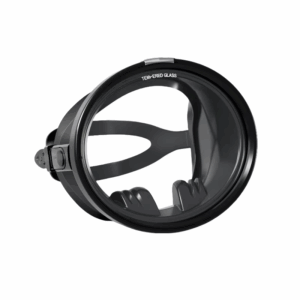
Single-lens masks offer unobstructed panoramic views, perfect for taking in the full scope of Bali’s underwater landscapes. When you’re hovering above the Kubu Wreck, watching schools of fish swirl around the structure, that wide field of vision is spectacular. Single-lens designs also tend to have lower internal volume, making them easier to clear if they flood.
Dual-lens masks, on the other hand, can accommodate prescription lenses more easily, making them ideal for divers who need vision correction. They also tend to fit a wider variety of face shapes since the nose pocket design can be more accommodating. Many of our regular diving package guests prefer dual-lens masks for these practical reasons.
Special Features Worth Considering
Purge Valves: Convenience Underwater
Some masks include a purge valve at the bottom of the nose pocket. This one-way valve makes clearing water from your mask significantly easier: simply exhale through your nose, and the valve expels the water. While experienced divers can clear masks easily without this feature, many of our diving course students appreciate the added convenience, especially during their early dives.
Prescription Lenses: Clear Vision Underwater
If you wear glasses or contacts on land, you’ll want to consider prescription diving mask options. Many manufacturers offer masks with prescription lenses, or you can have custom lenses fitted to certain mask models. This investment transforms the diving experience for vision-impaired divers, allowing you to fully appreciate the intricate details of Bali’s marine life without compromise.
Low-Volume Designs: For Freedivers and Technical Divers
Low-volume masks minimize the air space between your face and the lens. This design requires less air to equalize as you descend, making them popular among freedivers and technical divers. While recreational divers don’t necessarily need this feature, many find that low-volume masks fit their faces better and feel less bulky.
Preventing Mask Fog: Essential Techniques
Even the best mask will fog up if not properly prepared. Every diving course at Pebble and Fins includes fog prevention techniques because nothing ruins a dive faster than clouded vision.
New masks come with a manufacturing residue on the lens that must be removed. The traditional method involves using a mild abrasive like toothpaste to scrub the inside of the lens thoroughly. Some divers burn off this residue with a lighter flame, though this requires care to avoid damaging the silicone skirt. Once this initial treatment is complete, you’ll still need to prepare your mask before each dive.
Before diving, apply an anti-fog solution to the inside of your lens, or use the time-tested method of using your own saliva. Spit into the mask, spread it around the lens with your finger, then give it a quick rinse with fresh or salt water. This creates a thin film that prevents water vapor from condensing into fog. It sounds unconventional, but it works remarkably well and costs nothing.
Caring for Your Investment: Mask Maintenance
A quality diving mask is an investment that should last years with proper care. After each day of diving from Pebble and Fins, rinse your mask thoroughly with fresh water. Salt crystals can degrade silicone over time and scratch lenses if left to build up.
Store your mask in a protective case or box, never loose in your dive bag where it can be crushed or scratched by other equipment. Keep it out of direct sunlight when not in use, as UV exposure degrades silicone. Many divers who do multiple diving packages with us invest in a dedicated mesh bag for their mask and other small equipment items.
Inspect the strap regularly for signs of wear or cracking. Straps are inexpensive to replace and readily available, so don’t risk a strap breaking during a dive. Similarly, check the skirt for any tears or separation from the frame. These issues typically develop gradually, so catching them early prevents problems underwater.
When to Replace Your Diving Mask
Even with excellent care, masks don’t last forever. The silicone skirt will eventually lose its suppleness, leading to seal problems. Scratches on the lens can accumulate to the point where they impact visibility. We generally recommend replacing masks every 3-5 years for regular divers, or sooner if you notice sealing issues or significant lens degradation.
If your mask suddenly starts leaking when it never did before, don’t immediately assume it’s broken. Sometimes the issue is simply that the mask needs a more thorough cleaning, or your fitting technique needs adjustment. Our instructors at Pebble and Fins are always happy to help diagnose mask problems during your stay with us.
Where to Source Quality Diving Masks
Finding the right diving mask requires trying different models to see what fits your face best. While we stock basic rental masks for diving courses and casual divers, serious divers benefit from investing in their own properly fitted mask.
For divers across Southeast Asia, including those planning trips to our Kubu resort, diving mask Malaysia retailers offer extensive selections from major brands. Online options have improved dramatically, with detailed specifications and sizing guides helping you narrow down choices before making a purchase. However, nothing replaces trying a mask on in person when possible.
Established diving equipment specialists typically stock masks across various price points, from entry-level models for occasional divers to premium options for dedicated enthusiasts. Many offer return policies that let you test the mask in a pool before committing, which is invaluable for ensuring the right fit.
When shopping, pay attention to brand reputation and warranty coverage. Well-known manufacturers like Cressi, Scubapro, Mares, and Atomic Aquatics have proven track records for quality and durability. While these brands command higher prices, the investment typically pays off through better performance and longevity.
The Pebble and Fins Perspective: Your Mask, Your Dive
After countless dives from our Kubu beachfront location, guiding everyone from nervous beginners through their first diving courses to experienced divers exploring the intricate passages of the Kubu Wreck, we’ve learned one fundamental truth: comfort underwater begins with proper equipment, and your mask is the most personal piece of that equipment.
The mask that works perfectly for your dive buddy might be completely wrong for you. Face shapes, personal preferences, and diving styles all factor into what makes the ideal mask. Take the time to research, try different options, and invest in quality. The difference it makes to your diving experience is profound.
When you arrive at Pebble and Fins for your next diving package or certification course, you’ll understand why we emphasize equipment basics before ever entering the water. The warm, clear waters off Kubu deserve to be experienced with perfect clarity and comfort. Your mask is the window to Bali’s underwater world: make sure it’s the right one.
Ready to Dive with Pebble and Fins?
Whether you’re planning your first diving course or your fiftieth dive package, our team at Pebble and Fins is ready to help you experience the best of Bali’s underwater world. Located directly on the beach in Kubu with the famous Kubu Wreck just meters from shore, we offer the perfect base for your Bali diving adventure.
Our comprehensive diving courses cater to all skill levels, from complete beginners earning their first certification to advanced divers refining their techniques. Our diving packages give you the flexibility to explore multiple sites while enjoying the comfort of our beachfront resort facilities.
Get in touch with us today to plan your Bali diving experience. We’ll help ensure you have everything you need, including guidance on selecting the perfect mask, to make your underwater adventure unforgettable.
